这部纪录片讲述了一位非凡的叙事者,她经历一切,见证一切,却从未倾诉——直到现在。从卑微的出身到门票售罄的世界巡演,谢丽尔·克罗的人生堪称非凡。无论是在音乐界与性别歧视抗争,哀悼不幸的恋情,还是在与乳腺癌的抗争中幸存下来,克罗总能找到方法,将她最黑暗的经历转化为引人入胜、永恒的作品,创造出一份持续激励和影响一代又一代人的传奇。
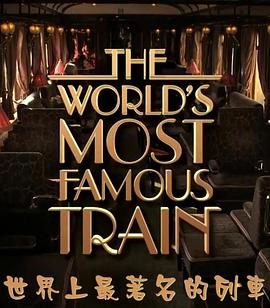
新东方快车,铁轨上的五星酒店。Venice Simplon-Orient-Express从伦敦到威尼斯36小时旅程,穿过壮美的阿尔卑斯山脉,2K英镑享受真正奢华。
《罪案奇谈》是一档揭秘犯罪案件、深度剖析人性的节目。精心挑选国内真实或引人深思的罪案,通过生动的讲述与专业的分析,带领观众走进犯罪现场,探索案件背后的真相与动机。节目不仅满足了观众对悬疑与推理的渴望,更在无形中普及了法律知识,引发对社会问题的深刻思考。
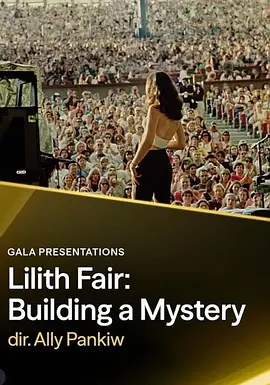
Explores the 1990s all-female music festival Lilith Fair.
一个男孩为成为他注定成为的人而奋斗的故事。他会找到值得奋斗的东西,还是会成为他最讨厌的人?
2011年,27岁的教师艾伦·格林伯格被发现死于自家公寓的厨房地板上,身上有20处刀伤和11处瘀伤。她的死因被官方裁定为自杀,但她的父母坚称她是被谋杀的,而此前裁定她自杀的病理学家最近也改变了看法。
本片通过珍藏在博物馆中的“革命文物”,在浩瀚的史料中,搜寻先烈们存留下来的个体记忆,让文物背后的“牺牲”、“承诺”、“使命”与“信仰”再次鲜活。用情景再现、手绘动画等手段,向观众讲述一段段直击人心的革命往事,重新点亮那些震撼人心的记忆。
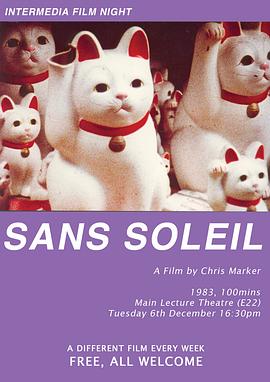
电影贯穿于一个女声读信的呓语中,日本、冰岛、几内亚、香港各种影像交叉着,但作者把最多的时间留给了东京。他去记录日本人民的文化和生活,标志性的招财猫,宗教仪式,性文化,漫画,铁道,珍珠港,摇滚乐,街上的舞蹈.....为观众呈现经济奇迹后的日本最真实的一面。作者用影像寄托着他对人类现状的关注,对历史和记忆的思考。
荣获奥斯卡金像奖提名的导演丹·克劳斯(《人生末路》《杀戮部队》)创作的《致命邮件:2001 美国炭疽攻击事件》讲述了 2001 年美国发生的炭疽攻击事件,以及美国联邦调查局执法史上规模最大、最复杂的调查之一。911 恐怖袭击发生一周后,5 名美国人丧生,至少 17 人生病,这是美国历史上最严重的生物袭击事件之一。故事以反恐战争为背景,发生在美国等地区,讲述了以致命毒药、痴迷和偏执狂为中心的令人难以置信的科学事件。这部纪录片将采访和基于电子邮件以及美国联邦调查局现场记录的场景再现相结合,还分享了与调查人员、幸存者和感染者家属相关的令人震惊和心碎的故事。克拉克·格雷格在《致命邮件:2001 美国炭疽攻击事件》中饰演布鲁斯·艾文斯博士,该片由 BBC Studios Production 负责制作。
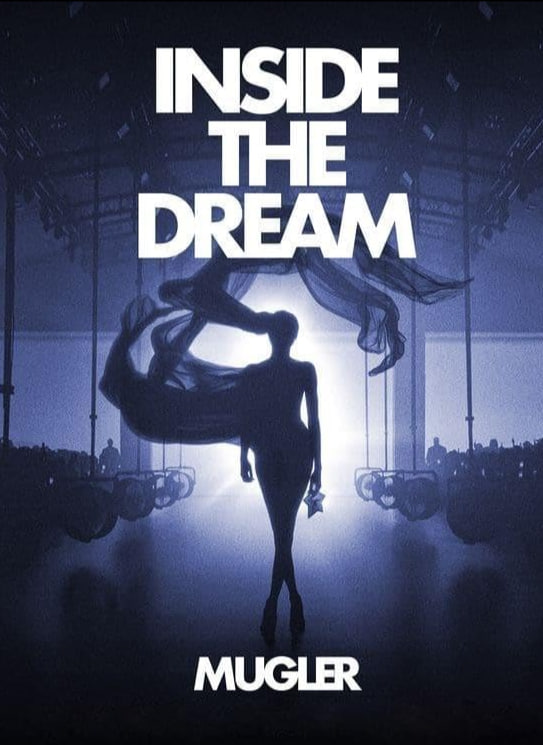
探索突破界限、备受喜爱的法国设计师曼弗雷德·蒂埃里·穆勒 (Manfred Thierry Mugler) 的艺术遗产。尽管穆勒于2022年以73岁高龄去世,但他的作品依然流传至今——它们对现代时尚和文化的影响,
Elijo 创作了 2023 年阿根廷纪录片,由冈萨洛·阿里亚斯 (Gonzalo Arias) 和马丁·门德斯 (Martín Méndez) 主演,并由演员里卡多·达林 (Ricardo Darín) 讲述。阿根廷足球队选择的电影,旨在考虑 2022 年世界足球锦标赛,在足球技术方面对植物进行恐吓,并以可能获得冠军的方式进行拍摄。1
结合史料与考古成果,运用CT扫描与AI3D、3D重建技术,对秦始皇、汉武帝、唐太宗、武则天、宋太祖、清世祖等近60位帝王重建肤色、发色、五官,用现代科技复原历代帝王容貌,为观众提供一套“看得见”的帝王真容。
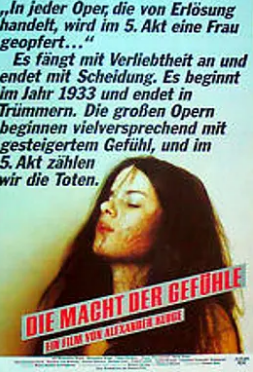
The Power of Emotion explains that emotion isn't to be confused with sentimentality. Emotion is ancient and more powerful than any art form. The film looks at young couples who run into difficulties as they try to translate their experiences of love into clear decision-making. A woman who has shot her husband provides a judge with a puzzle. Those who love can bring the dead back to life by means of co-operation. That's the focus of the opera, "The Power Plant of Emotions" and the "Opera of the 20th Century" cinema. Alexander Kluge: The Power of Feeling When I started working on The Power of Feeling, I was not in a rational state. I did not say, I have a subject and now I will make a film about it. Instead I was spellbound and observed in my direct surroundings, for example, how feelings move. I have not really dealt with the theme of my mother's death and the fact that she was the one who taught me "how feelings move." Nor have I dealt with how she died. That was an entire palette of feelings: "All feelings believe in a happy end," and everyone believes tacitly that they will live forever: The entire palette is somehow optimistic, a positive attitude towards life having been put on the agendaas long as she was young, as long as her body held out, from one day to the next she collapsed. She just suddenly collapsed, like in an opera where disaster takes the stage in the fifth act. It felt as if I had observed an air raid or a disaster. The film The Power of Feeling is not about feelings, but rather their organization: how they can be organized by chance, through outside factors, murder, destiny; how they are organized, how they encounter the fortune they are seeking.What is all this organization of feelings about? Generally feelings tend to be a dictatorship. It is a dictatorship of the moment. The strong feeling I am having right now suppresses the others. For thoughts this would not be the case. One thought attracts others like a magnet. People therefore need affirmation by other people to be sure about their own feelings (to counteract the acquisition of their feelings through outside forces). Through the interaction of many people, for example, in public, the various feelings also have a magnetic attraction to one another just like thoughts do. Feelings communicate through their manifestation in public. The cinema is the public seat of feelings in the 20th century. The organization is set up thusly: Even sad feelings have a happy outcome in the cinema. It is about finding comfort: In the 19th century the opera house was the home to feelings. An overwhelming majority of operas had a tragic end. You observed a victim. I am convinced that there is a more adventuresome combination: Feelings in both the opera and traditional cinema are powerless in the face of destiny's might. In the 20th century feelings barricaded themselves behind this comfort, in the 19th century they entrenched themselves in the validity of the lethal seriousness.